
Professional Decking Advice Based on Real Experience
With more than 10 years of experience and 100+ completed projects, our team has worked on everything from small residential gardens and raised decks to balconies, roof terraces and large commercial installations.
Over the years, we have seen which details make a real difference – and which decisions can cause unnecessary problems later.
This guide series gives us an opportunity to share that experience.
Rather than focusing only on how a finished deck looks, we will explore what goes underneath it, how different materials behave, how the surrounding space affects the design and what should be considered before installation begins.
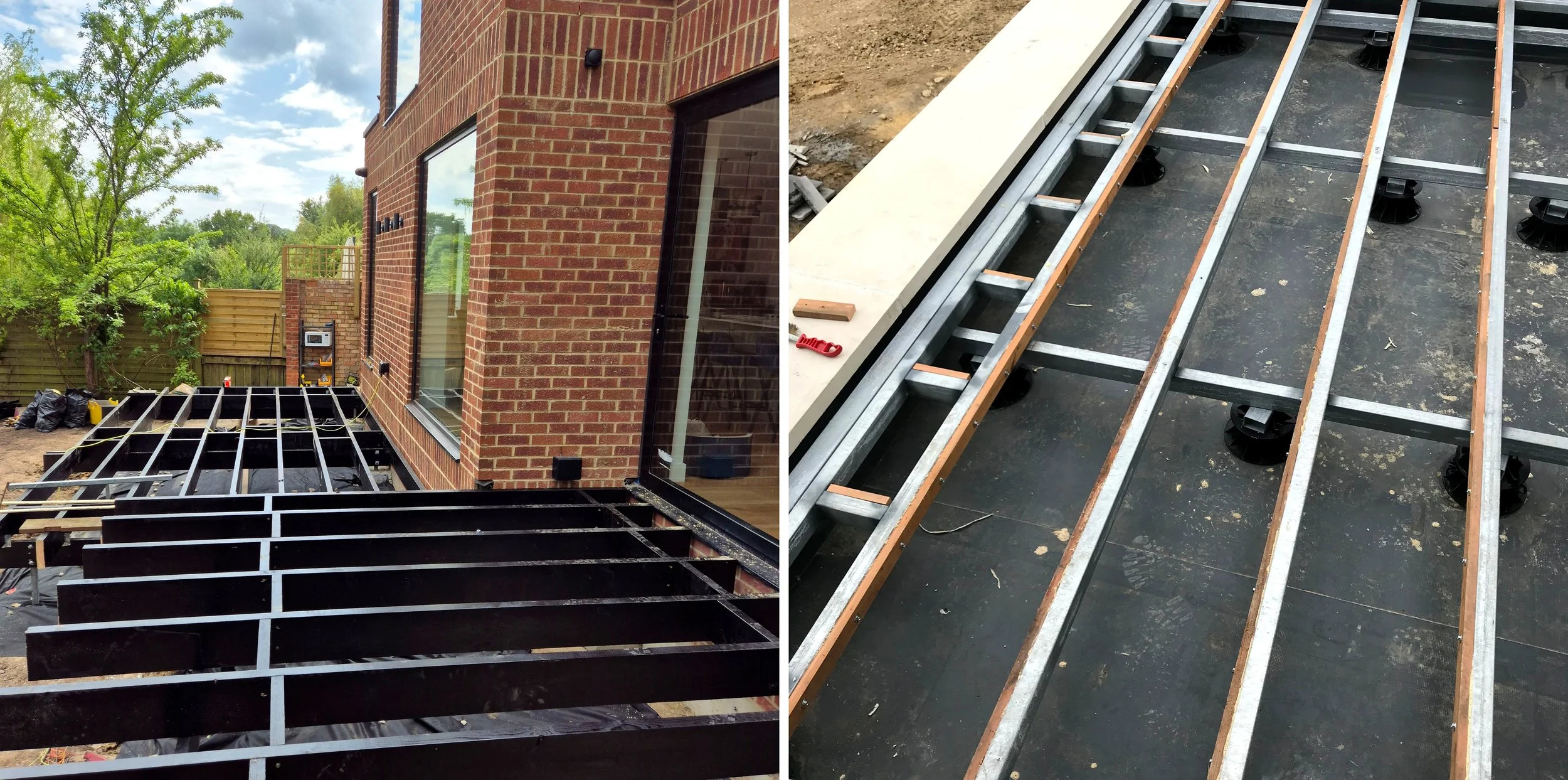
Timber vs Steel Decking Frames: Which Is Best?
Comparing timber vs galvanised steel decking frames? We explain when treated timber works well and when a galvanised steel frame that we measure, cut, fabricate/weld and assemble on site is the better option for raised and demanding decks.
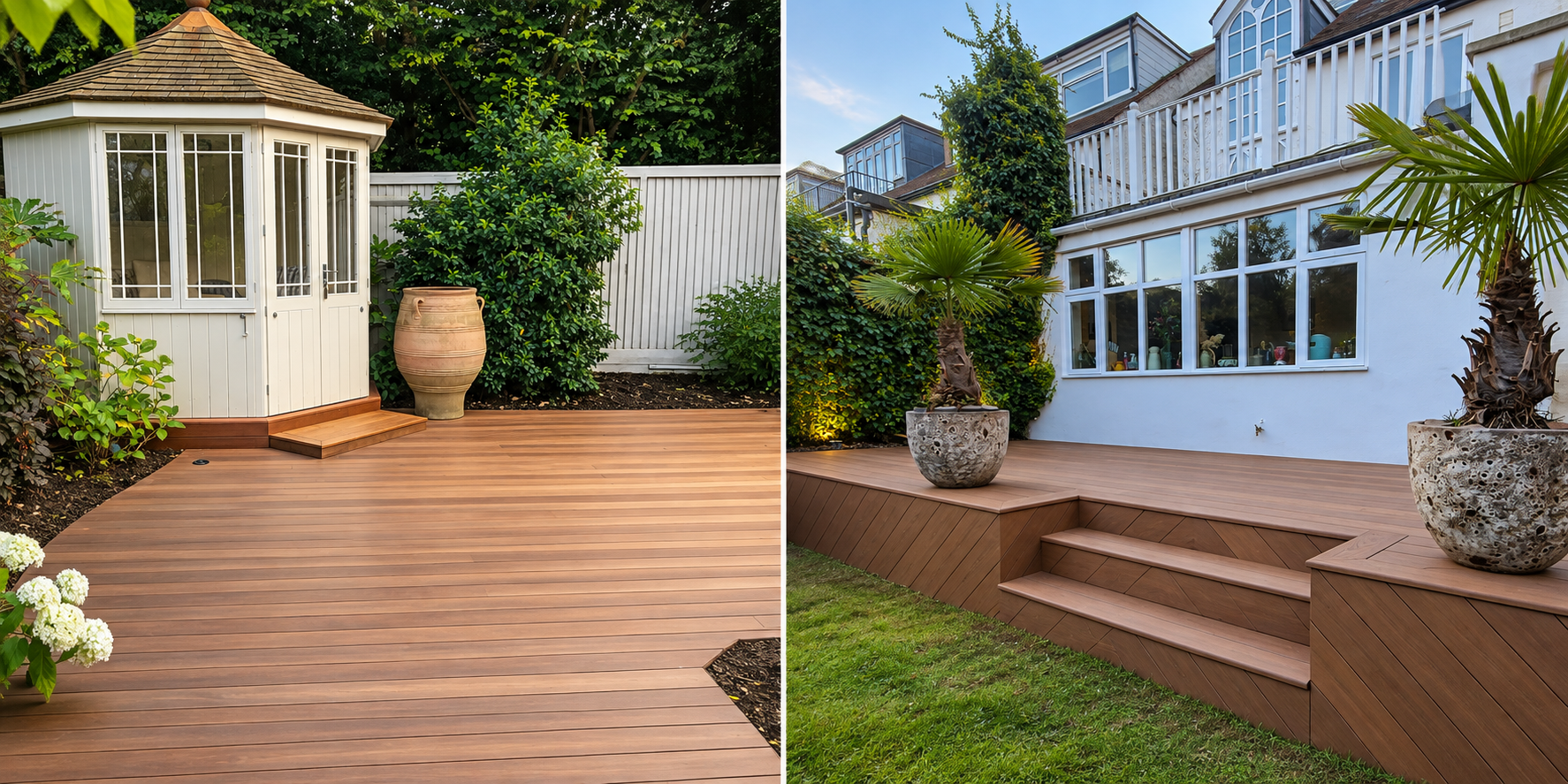
Hardwood vs Composite Decking: Which Should You Choose?
Choosing between hardwood and composite is one of the biggest decisions when you plan a new deck. Both can look fantastic, but they give you a very different experience. Hardwood gives you real natural timber with unique grain and character that ages over time. Composite gives you a more consistent finish with less routine maintenance. Which is best comes down to appearance, how much maintenance you want to do, and how you want the deck to age.

10 Decking Mistakes to Avoid Before Starting Your Project
A new deck can completely transform your garden, but most problems don't start with the boards — they start with decisions made before construction. Wrong subframe, no thought for drainage, incorrect joist centres, finished levels out, or treating a rooftop like a normal garden deck are all expensive to fix later. These are the 10 mistakes we see most often and how to avoid them.
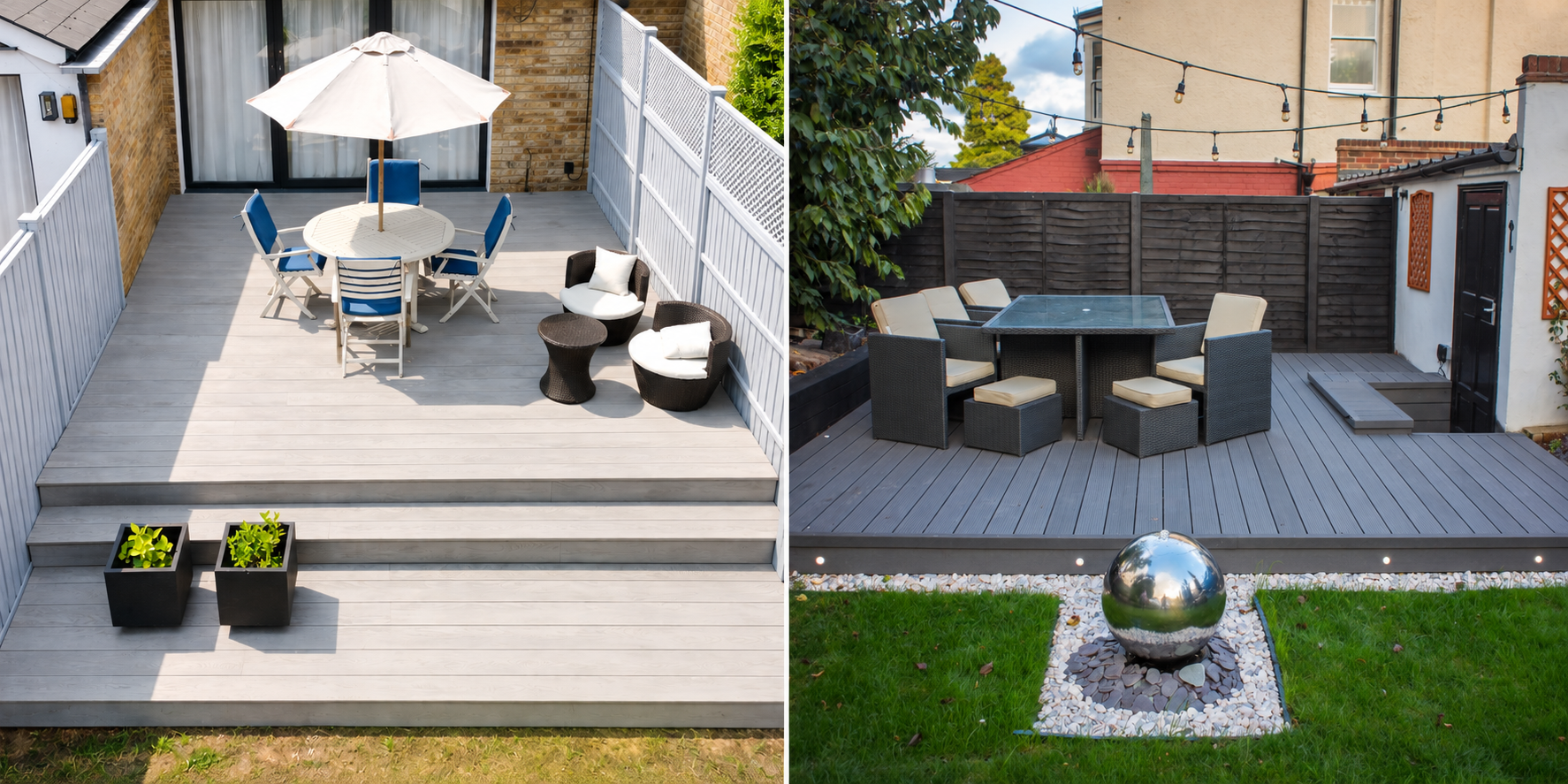
Millboard vs Composite Decking: What's the Difference?
If you are comparing Millboard vs composite decking, they can look similar at first glance. Both are alternatives to timber and both are low maintenance compared to many timber decks. Look closer though, and construction is very different. Most conventional composite is wood-plastic composite, while Millboard is wood-free with a mineral and polymer resin core and flexible Lastane surface. Is it worth paying more for? It depends on what matters most to you.